
Can Anyone Survive The Hulk Thunder Clap? Analyzing the Power of Marvel's Green Goliath
Discover the destructive force behind the Hulk's iconic thunderclap and learn why it remains one of the most feared abilities in comic book history.
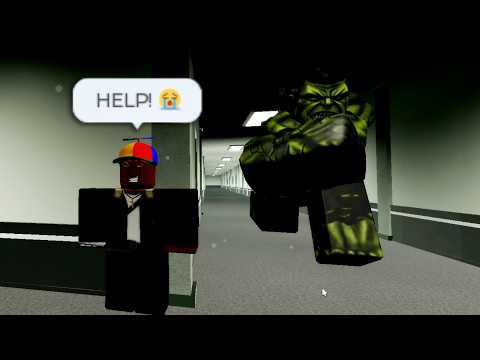 Community gameplayDiscover the destructive force behind the Hulk's iconic thunderclap and learn why it remains one of the most feared abilities in comic book history.YouTube
 The Science of Destruction: Understanding the Hulk’s Signature Move
The Marvel Universe is filled with god-like entities, but few possess the raw, unbridled kinetic energy of the Incredible Hulk. When fans ask if it is possible to survive the Hulk thunder clap, they are essentially questioning the limits of durability for even the most powerful comic book heroes. To survive the Hulk thunder clap is to withstand a concussive force so intense it can level city blocks and launch even the most resilient opponents through solid steel and concrete.
The thunderclap is more than just a loud noise; it is a displacement of air generated by the Hulk’s immense muscular power. By clapping his hands together with near-infinite force, the Hulk creates a vacuum and a subsequent shockwave that acts like a physical battering ram. It is a tactical maneuver he uses to clear debris, disorient enemies, or send foes flying across the landscape when physical punches aren't enough.
Comparing Kinetic Abilities in the Marvel Universe
To understand the scale of this move, we must look at how it stacks up against other high-impact abilities. The following table illustrates how various characters deal with massive kinetic output.
| Ability | Source of Power | Primary Effect | Defensive Counter |
|---|---|---|---|
| Hulk Thunderclap | Muscular Force | Concussive Shockwave | High Durability/Invulnerability |
| Superman Heat Vision | Solar Absorption | Thermal Energy | Energy Resistance |
| Thor Hammer Throw | Enchanted Uru | Kinetic Impact | Evasion/Blocking |
| Captain Marvel Blast | Photon Energy | Explosive Discharge | Energy Absorption |
Community Perspectives on the Hulk vs. Superman Debate
In recent fan discussions, specifically regarding "Multiverse Mayhem" scenarios, the question of whether Superman could withstand such an assault has become a hot topic. According to community reports, many fans believe that while the Man of Steel is durable enough to take the hit, the sheer force of the impact is enough to launch him through multiple buildings, causing massive environmental destruction.
While some enthusiasts argue that Superman’s ability to calm the Hulk down is his greatest defense, others strictly analyze the physics of the clash. From a player experience standpoint, the debate often boils down to whether one prioritizes raw physical strength or the ability to absorb energy.
Comparative Durability Rankings
If we were to rank characters based on their likelihood to withstand a direct blast from the Jade Giant, the list would look quite different depending on their power sets.
| Character | Survival Probability | Reason for Ranking |
|---|---|---|
| The Sentry | High | Matter manipulation and near-infinite power |
| Superman | High | Superior durability and invulnerability |
| Thor | Medium-High | Asgardian physiology and magical resistance |
| Iron Man | Medium | Advanced shielding technology |
| Average Human | Near Zero | Biological fragility vs. shockwave |
The Mechanics of the Clap: Why It Works
The effectiveness of the thunderclap lies in its speed and volume. When the Hulk initiates this move, he is essentially creating a localized atmospheric explosion. The air between his palms is compressed to such a degree that it is forced outward at supersonic speeds.
For those interested in the technical aspects of comic book physics, you can read more about Marvel character power sets to understand how these abilities are classified. The thunderclap isn't just about sound; it is about the sudden change in air pressure. This pressure differential is what causes the structural damage seen in buildings and the displacement of opponents.
Tactical Applications in Combat
The Hulk does not use his thunderclap randomly. It is a calculated tool of war. Here is how he utilizes this move in various scenarios:
- Crowd Control: By clapping, he can knock back large groups of enemies without needing to engage them physically.
- Environmental Clearing: It is an effective way to remove obstacles, such as falling debris or collapsing structures, that might be impeding his movement.
- Distraction: The sheer volume and shockwave can disorient opponents with heightened senses, such as Wolverine or Daredevil.
- Long-Range Engagement: When he cannot reach an enemy, the shockwave acts as a projectile.
Common Misconceptions About the Thunderclap
Many readers often confuse the thunderclap with a sonic attack. While it does produce sound, the damage is primarily kinetic.
- It is not a magical sound: It is purely physical displacement.
- It does not require a cooldown: Unlike some energy-based attacks, the Hulk can perform this as long as his arms are functional.
- It is not always lethal: While it can be, the Hulk often uses it to incapacitate or clear a path rather than kill.
Frequently Asked Questions
Can a human survive the Hulk thunder clap? In the context of the comics, a normal human would likely not survive the immediate shockwave due to the extreme pressure and concussive forces involved. It is an attack reserved for beings with superhuman durability.
Is the thunderclap the Hulk's strongest move? While the thunderclap is iconic, most fans consider his raw physical strength and "World Breaker" level punches to be more devastating. However, the thunderclap remains his most effective area-of-effect (AOE) ability.
Has Superman ever survived a thunderclap? Based on fan-fiction and hypothetical crossover scenarios, Superman generally survives the impact due to his invulnerability, though he is often depicted as being launched through multiple structures by the sheer force of the blow.
What is the best way to defend against a thunderclap? According to community reports, characters with energy shields, teleportation, or superior speed are the most successful at mitigating the effects of the shockwave, as they can either block the pressure or vacate the area before the air reaches them.
Related Guides
Can You Really Survive The Hulk? Understanding Hulk Stamina and Combat Limits
Does the Jade Giant ever run out of gas? We dive into the science of Hulk stamina to see if it's possible to survive The Hulk in a prolonged fight.
Can You Survive The Hulk? Understanding Hulk Abilities and Power Scaling
Explore the terrifying mechanics of Hulk abilities and learn what it takes to survive the Hulk when he enters his World Breaker state.
How to Survive The Hulk Punch Combos: Pro Strategies for Survive The Hulk Domination
Master the art of defense and learn how to survive The Hulk punch combos in Survive The Hulk with our essential guide to movement, blocking, and counters.
How to Survive The Hulk Sprint Attack: Pro Strategies for Roblox Survival
Master the art of evasion in Roblox Survive The Hulk. Learn how to survive the Hulk sprint attack and outsmart the beast with these expert tips.